Abakayla Font: Elevate Small Business Branding
As a small business owner, I know that every visual touchpoint matters. From the logo on my website header to the thank-you card tucked into a package, typography communicates personality before a customer ever reads a single word. Finding a typeface that balances elegance with commercial practicality is often the hardest part of building a brand identity. This is where the Abakayla script font becomes an invaluable asset for entrepreneurs, makers, and service providers who need their branding to feel both premium and approachable.
Defining the Personality of Abakayla
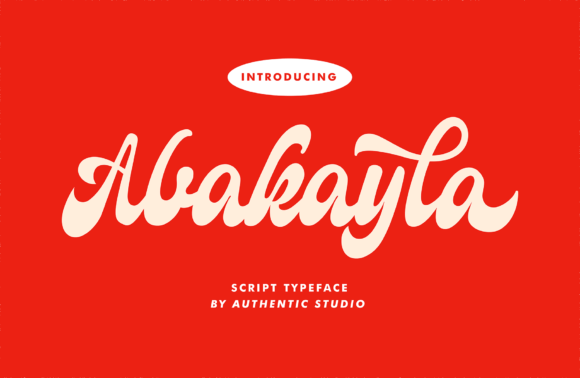
Abakayla is not just another decorative typeface; it is a versatile script font designed with real-world application in mind. Its style sits comfortably between modern calligraphy and classic handwritten charm. The uppercase letters possess enough structural weight to serve as confident headlines or logo marks, while the lowercase characters flow with a natural, organic rhythm that feels personal rather than manufactured. For business owners in creative industries like baking, floristry, coaching, or handmade goods, this specific mood is essential. It signals craftsmanship and care without looking outdated or overly formal.
The true value of Abakayla lies in its legibility. Many script fonts sacrifice readability for artistic flair, making them impossible to use on small product labels or mobile screens. Abakayla maintains clear letterforms even at smaller sizes, which is critical when you are designing packaging for cosmetics, candles, or food items where space is limited but clarity is non-negotiable. It offers the warmth of a handwritten note with the reliability required for professional commerce.
Practical Applications Across Business Touchpoints
Consistency builds trust, and using a cohesive font system helps customers recognize your brand instantly. Here is how Abakayla translates across different areas of a small business:
- Logo Design and Brand Identity: Use Abakayla for the primary wordmark in your logo. Its bold script characteristics provide enough visual interest to stand alone without needing complex iconography. This works exceptionally well for boutiques, salons, and lifestyle brands.
- Packaging and Product Labels: Whether you are labeling artisanal jam jars or skincare bottles, Abakayla adds a bespoke quality. Because the font includes both uppercase and lowercase sets, you can create hierarchy on a label by using all-caps for the product name and mixed case for descriptors.
- Social Media Graphics: On platforms like Instagram and Pinterest, text needs to be readable in a thumbnail. Abakayla’s distinct shapes perform well in square posts and story overlays, helping stop the scroll without requiring users to zoom in to decipher the message.
- Customer Experience Materials: Print this font on thank-you cards, return policy inserts, or gift tags. It mimics the feeling of personal handwriting, enhancing the unboxing experience and encouraging customer loyalty.
- Menus and Signage: For cafés and restaurants, Abakayla serves as an excellent display font for section headers or daily specials, guiding the eye through the menu while maintaining an inviting atmosphere.
Strategic Font Pairing for Professional Results
While Abakayla is beautiful, it should rarely be used for everything. To maintain a professional appearance, you must pair it with supporting typefaces that handle the heavy lifting of body copy. A common mistake new entrepreneurs make is using a script font for long paragraphs, which fatigues the reader and dilutes the impact of the display font.
For a clean, modern aesthetic, pair Abakayla with a geometric sans serif font. The contrast between the fluid curves of the script and the structured lines of the sans serif creates a balanced, contemporary look suitable for tech-adjacent creatives or modern e-commerce sites. Alternatively, pairing Abakayla with a traditional serif font evokes heritage and luxury, which is ideal for wedding vendors, high-end bakeries, or antique shops. Always ensure your secondary font has multiple weights so you can establish a clear visual hierarchy across your website and printed materials.
Readability and Real-World Testing
Before committing Abakayla to your entire brand suite, test it in context. What looks stunning on a desktop design screen might become illegible when embroidered on a tote bag or printed on a textured business card. Create mockups of your actual deliverables. Check how the font renders on mobile devices, as many customers will encounter your brand first through a phone screen. Pay attention to letter spacing; some scripts require slight adjustments to kerning to prevent awkward gaps or overlapping swashes that hinder reading speed.
Consider the background colors you typically use. Script fonts with thinner strokes can disappear against busy photography or dark backgrounds. If you plan to use Abakayla over images, ensure you have a solid overlay or choose a color combination that meets accessibility standards for contrast. Practical usability always trumps pure aesthetics in business design.
Licensing and Commercial Considerations
As entrepreneurs, we must protect our businesses legally. Before using Abakayla on any revenue-generating material, verify the commercial license terms. Fonts are software, and licensing dictates how they can be used. Some licenses cover basic branding and social media but require upgrades for merchandise, digital products for resale, or high-volume packaging. Checking these details upfront prevents future legal headaches and ensures you are supporting the type designer ethically. When sourcing from reputable font marketplaces or foundries, always read the EULA (End User License Agreement) specifically regarding web embedding and app usage if you plan to integrate the typeface into a custom website or application.
Building Trust Through Intentional Typography
Ultimately, choosing a font like Abakayla is a strategic business decision. It tells your audience that you pay attention to details and value the emotional connection of your brand. In a crowded marketplace, the difference between a generic template and a thoughtfully crafted identity often comes down to typography. By selecting a typeface that aligns with your values and functions reliably across all mediums, you create a foundation for a recognizable, trustworthy brand that resonates with your ideal customers. Invest time in mastering this tool, and it will continue to serve your business as it grows and evolves.